
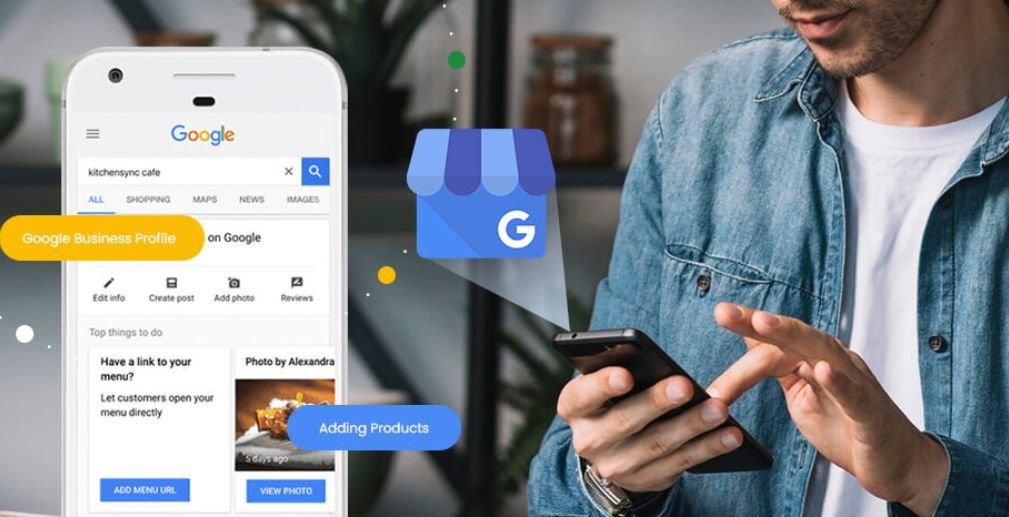
Managing one Google Business Profile is already important. Managing ten, twenty, or hundreds of them is a completely different challenge. For multi-location businesses, Google Business Profile optimization is not just about showing up on Google Maps. It is about making sure every branch appears accurately, ranks locally, attracts nearby customers, and reflects the same brand quality across all markets.
Whether you run a franchise, retail chain, healthcare group, restaurant brand, or service business with multiple branches, your local visibility depends on how well each individual listing is optimized. A weak or inconsistent profile can confuse customers, reduce trust, and hurt search performance. A strong profile can increase calls, clicks, direction requests, and store visits.
In this guide, you will learn the most effective tips and best practices for Google Business Profile optimization for multi-location businesses, along with the common mistakes to avoid and the systems you need to scale local SEO successfully.
What Is Google Business Profile Optimization?
Google Business Profile optimization is the process of improving your business listing so it performs better in local search results and gives customers accurate, useful information. This includes your business name, address, phone number, business hours, categories, photos, services, website link, reviews, and updates.
For a single-location business, optimization is usually straightforward. For a multi-location business, it becomes more complex because every location needs to be individually managed while still maintaining brand consistency. Each profile must be accurate, locally relevant, and connected to the correct branch page or contact information.
In simple terms, Google Business Profile optimization helps each location become easier to find, more trustworthy, and more likely to convert searchers into customers.
Why Google Business Profile Matters for Multi-location Businesses
For multi-location brands, Google Business Profile plays a central role in local SEO. Customers often search using terms like “near me” or location-based phrases such as “dentist in Dallas” or “best coffee shop in Surrey.” Google uses profile information to decide which local results to show, especially in Maps and the local pack.
A well-optimized profile helps each branch rank in its own service area. That means your New York location can compete in New York while your Chicago location performs well in Chicago, even if both belong to the same brand.
It also builds trust. When customers see accurate hours, correct phone numbers, updated photos, and genuine reviews, they are more likely to call, visit, or book. In contrast, outdated or inconsistent information quickly creates frustration and lost business.
For multi-location businesses, strong Google Business Profiles can support:
- better local rankings
- increased map visibility
- more phone calls and website visits
- higher foot traffic
- improved customer confidence at every branch
Common Challenges Faced by Multi-location Businesses
The biggest issue for multi-location brands is scale. The more branches you manage, the easier it is for details to become inconsistent.
One common challenge is inconsistent NAP information, which stands for name, address, and phone number. Even small differences across listings, directories, and website pages can weaken local trust signals.
Duplicate listings are another frequent problem. These can confuse customers, split reviews, and reduce ranking strength. In some cases, old listings remain live after a business moves or rebrands.
Many businesses also struggle with categories, hours, and content. One location may have accurate holiday hours while another does not. One profile may link to the correct landing page, while another only links to the homepage. Some branches may have recent photos and active reviews, while others look abandoned.
Review management becomes harder at scale too. A business with one location can easily respond to every review. A business with fifty locations needs a repeatable system.
That is why multi-location Google Business Profile optimization needs both local attention and central control.
Tips and Best Practices for Google Business Profile Optimization for Multi-location Businesses
Create and verify a separate profile for each location
Each eligible physical location should have its own Google Business Profile. This gives every branch the opportunity to rank in its local area and show branch-specific details such as phone number, directions, reviews, and business hours.
Do not try to manage multiple physical locations under one listing. Google expects separate, legitimate locations to have separate profiles. Make sure every listing is properly verified and owned by your organization so you can control updates, prevent problems, and maintain accuracy.
Maintain consistent business information across all listings
Consistency is one of the most important local SEO signals for multi-location businesses. Your business name, address, phone number, website URL, and hours should match the information shown on your website and across major directories.
This does not mean every location must have identical content. It means core business data should be clean, accurate, and standardized in format. For example, if one location uses “Street” and another uses “St.” or one uses a call center number instead of the direct branch number, those inconsistencies can create confusion.
Set internal formatting rules so every listing follows the same structure.
Use location-specific landing pages
One of the most effective best practices is linking each Google Business Profile to its own dedicated location page, not just the main homepage.
A location-specific landing page should include the branch name, address, phone number, hours, map, local service details, and unique content relevant to that area. It should make it easy for users to confirm they have reached the right branch.
This also strengthens your local SEO strategy because it creates a clear connection between the listing and the website page serving that location.
Choose the right primary and secondary categories
Your primary category has a major impact on how your business appears in local search. For multi-location businesses, categories should accurately reflect the core offering of each branch.
If all locations provide the same services, categories may remain consistent across profiles. If some locations offer additional services or slightly different business models, secondary categories can help reflect those differences.
Avoid adding irrelevant categories just to chase visibility. Google rewards accuracy more than category stuffing.
Write unique business descriptions for each location
Many brands make the mistake of copying the same description across every location. While consistency in tone is good, duplicate content across all profiles can make listings feel generic and less locally relevant.
Each location description should reflect the same brand voice but include unique details. Mention the local area, branch strengths, specialties, or services that matter to customers in that market. Even modest customization helps the profile feel more useful and authentic.
Optimize the services and product sections
Your services and products should be complete, accurate, and aligned with what that location actually offers. If one branch provides delivery, consultations, or specialty services, make sure those details appear in the profile.
For multi-location businesses, this is especially important because not every location operates the same way. A complete services section helps customers make decisions quickly and reduces confusion before they call or visit.
Keep business hours and special hours updated
Nothing damages trust faster than incorrect business hours. Customers rely on Google Business Profile to decide when to visit. If they arrive and find the store closed, the result is frustration, negative reviews, and lost confidence.
Every multi-location brand should have a process for updating regular hours, holiday hours, and temporary changes. This matters even more during seasonal periods, special events, or local disruptions.
Accuracy here is not optional. It directly affects user experience and local credibility.
Upload high-quality, location-specific photos
Photos help customers connect with a business before they ever walk in. For multi-location businesses, this means each location should have its own visual identity within the larger brand.
Upload real photos of the storefront, interior, staff, products, signage, and services. Location-specific images help users recognize the branch, build familiarity, and feel more confident visiting.
Avoid relying only on stock-style visuals or old images. Fresh, authentic photos tend to perform better and make the profile look active and trustworthy.
Collect and manage reviews for every location
Reviews influence both rankings and customer decisions. For multi-location businesses, the key is treating reviews as location-level trust signals rather than brand-wide feedback alone.
Encourage customers to leave reviews for the specific branch they visited. This improves the relevance of the listing and gives future customers helpful context.
Responding to reviews is equally important. Positive reviews deserve appreciation, and negative reviews should be addressed professionally, calmly, and quickly. A thoughtful response shows the business is active, accountable, and customer-focused.
At scale, this requires a clear workflow, response guidelines, and monitoring system.
Use Google Posts strategically
Google Posts are useful for sharing updates, promotions, offers, events, or announcements. For multi-location businesses, they are a good way to keep listings fresh and relevant.
The best approach is to avoid pushing identical updates to every location unless the message truly applies everywhere. Local events, seasonal offers, new staff introductions, community partnerships, or branch-specific promotions often perform better because they feel more relevant to local users.
Monitor Q&A and customer interactions
The questions and answers section is often overlooked, but it matters. Customers may ask about parking, service availability, appointment rules, accessibility, or holiday schedules. If those questions go unanswered, others may assume the business is inactive or unreliable.
Regular monitoring helps you answer accurately, prevent misinformation, and guide customers before they contact the branch directly.
Prevent and fix duplicate listings
Duplicate listings can dilute local authority, split reviews, confuse customers, and send mixed ranking signals. Multi-location businesses are especially vulnerable because old listings can remain online after relocations, rebranding, or ownership changes.
Run regular audits to identify duplicate profiles, outdated addresses, or unauthorized edits. Cleaning up duplicates is not glamorous work, but it is essential for healthy local SEO.
Use UTM tracking and insights to measure performance
Google Business Profile provides useful performance data, but multi-location businesses benefit even more when they add structured tracking. UTM parameters on website links can help measure traffic and conversions more clearly in analytics tools.
This allows you to compare branch performance, identify underperforming listings, and understand which locations generate more visits, calls, or actions. Optimization becomes much more effective when it is based on real data rather than assumptions.
How to Scale Google Business Profile Management Across Multiple Locations
The biggest difference between success and chaos is process. Multi-location businesses need a management model that balances centralized control with local input.
Start with clear brand guidelines. Define how names, descriptions, photos, hours, and categories should be handled. Then assign ownership. Some businesses centralize everything through a marketing team. Others give local managers limited responsibilities while corporate teams handle strategy and quality control.
A review response workflow is also essential. Decide who replies, how quickly, and what tone should be used. Build monthly or quarterly audits into your operations to check for incorrect information, missing assets, duplicate listings, and outdated content.
The goal is to create a repeatable system so no location gets neglected.
Mistakes to Avoid in Multi-location Google Business Profile Optimization
One major mistake is using the same content for every branch. This weakens local relevance and makes profiles feel generic.
Another is linking every listing to the main homepage. Customers searching for one specific branch want direct, local information, not a general brand page.
Ignoring reviews is another costly error. Reviews shape trust, and inconsistent responses across branches can make the brand feel disorganized.
Choosing incorrect categories, forgetting to update holiday hours, and creating listings for ineligible locations also create avoidable problems. Google Business Profile works best when listings are accurate, policy-compliant, and actively managed.
Local SEO Strategies That Support Google Business Profile Optimization
Google Business Profile does not operate in isolation. It performs best when supported by strong local SEO foundations.
Your website should have optimized location pages with useful local content, structured contact details, and a strong user experience. Local citations across directories should match your business information. Schema markup can help search engines understand location details more clearly. Local backlinks and community mentions can further strengthen authority in each market.
For multi-location businesses, success comes from connecting profile optimization with a broader local digital strategy.
A Simple Google Business Profile Checklist for Multi-location Businesses
Here is a practical checklist you can use across all branches:
- verify every eligible location
- keep name, address, and phone number consistent
- link each listing to the correct location page
- use accurate primary and secondary categories
- write unique descriptions for each branch
- add real, high-quality, location-specific photos
- update regular and special hours
- monitor and respond to reviews
- publish useful posts where relevant
- audit profiles regularly for duplicates and errors
- track clicks, calls, and other performance data
Final Thoughts
Google Business Profile optimization for multi-location businesses is not a one-time task. It is an ongoing operational process that directly affects visibility, trust, and revenue at the local level.
The most successful multi-location brands treat each profile like a local storefront, not just a digital placeholder. They combine brand consistency with local relevance. They keep information accurate, respond to customer feedback, update content regularly, and support every listing with strong local SEO.
When done well, even small improvements across multiple listings can lead to major gains in rankings, traffic, and conversions. For multi-location businesses, that makes Google Business Profile one of the most valuable tools in the local marketing mix.
FAQ
Should a multi-location business create a separate Google Business Profile for each branch?
Yes. Each eligible physical location should have its own profile so it can rank in local search, display accurate information, and collect location-specific reviews.
Can all locations use the same website link?
It is better for each location to link to its own dedicated landing page. This improves user experience and strengthens local SEO relevance.
How often should multi-location businesses update their Google Business Profiles?
Profiles should be monitored continuously and reviewed regularly. Hours, services, photos, promotions, and other details should be updated whenever changes occur.
Do reviews matter for each individual location?
Yes. Reviews influence both customer trust and local visibility. Each location benefits from collecting and responding to reviews that reflect the real customer experience at that branch.
What is the biggest mistake multi-location businesses make?
One of the biggest mistakes is treating all locations the same. Every profile should reflect local accuracy, local relevance, and local customer needs while still staying aligned with the overall brand.